
Transitioning to Flexible Seating: Tips for Teachers and Classrooms
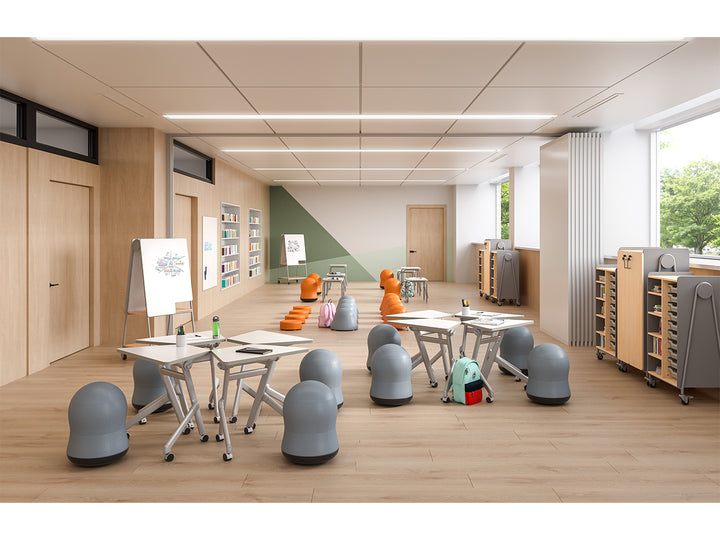
Flexible seating is becoming an important part of modern classroom design. Teachers increasingly recognize that how students sit, move, and interact with their physical environment can influence focus and engagement. Traditional desk arrangements still have value, but they may not always support the diverse needs of today’s learners.
Flexible seating introduces intentional variation into classroom seating while maintaining structure and clear expectations. It encourages teachers to think critically about space, posture, and movement as part of the learning process rather than viewing them as separate concerns.
What Is Flexible Seating
Flexible seating moves away from permanently assigned desks. Instead, it offers a variety of seating options suited to the specific lesson, activity, or student need.
This approach does not remove classroom rules or expectations. Teachers still guide how seating is used and monitor student behavior. Flexible seating focuses on purposeful choice rather than unrestricted freedom. When implemented thoughtfully, it allows students to select seating that supports concentration and comfort during learning.
Flexible Seating for the Classroom Explained
Flexible seating for the classroom is not a single strategy or fixed model. It is an adaptable approach that reflects the understanding that students learn differently and benefit from varied physical positions.
Some students focus best while sitting upright at a table. Others may benefit from slight movement or changes in posture. Flexible seating acknowledges these differences while keeping learning goals consistent for all students. Teachers decide when seating choices are appropriate and how they align with instructional objectives.
Why Classroom Design Matters
Classroom design influences how students experience learning throughout the day. Seating layout, spacing, and movement pathways all affect comfort, attention, and behavior.
A well-planned classroom supports:
- Clear routines and transitions
- Safe movement within the space
- Access to materials without disruption
- Visual clarity for instruction
Flexible seating encourages teachers to assess whether the physical environment supports or limits learning. Adjustments to seating can improve how students interact with both content and peers.
How Flexible Seating Supports Learning
Flexible seating supports learning by allowing students to adjust their posture and physical position throughout the school day. This can help reduce discomfort and restlessness during extended periods of instruction.
Potential benefits include:
- Increased comfort during seated tasks
- Opportunities for movement without leaving the learning space
- Greater awareness of personal learning needs
- Improved engagement during independent and group work
It is important to note that flexible seating itself does not guarantee improved academic outcomes. Its value depends on clear expectations, teacher guidance, and alignment with instructional goals.
Core Principles of Flexible Seating
Effective flexible seating environments are built on clear and consistent principles.
Purposeful choice
Students are guided to select seating that supports focus and learning rather than convenience or social preference.
Structure and routine
Daily routines help students understand when and how seating choices are allowed.
Teacher oversight
Teachers observe how seating choices affect learning and intervene when adjustments are needed.
These principles help maintain balance between flexibility and classroom order.
Common Flexible Seating Options in Classrooms
Flexible seating can include a variety of options based on classroom size, student age, and instructional needs.
Floor seating
Floor cushions or mats allow students to sit comfortably during reading, group work, or reflective activities.
Movement-based seating
Stools and balance-style seating encourage subtle movement while maintaining stability.
Standing options
Standing work areas allow students to alternate positions during writing or problem-solving tasks.
Traditional seating with flexibility
Standard chairs and desks can still be used while allowing students to change locations when appropriate.
Not all classrooms need every option. Teachers can select seating that fits their space and routines.
Planning the Transition to Flexible Seating
Transitioning to flexible seating works best when done gradually.
Assess classroom needs
Teachers should consider student behavior, physical space, and daily schedules before making changes.
Introduce seating options slowly
Adding a small number of options allows students to learn expectations without becoming overwhelmed.
Teach seating behavior explicitly
Students benefit from direct instruction on how seating supports learning and responsibility.
Planning reduces disruptions and supports smoother transitions.
Setting Classroom Expectations
Clear expectations are essential for success.
Teachers should establish guidelines such as:
- When students may change seating
- How seating choices are approved
- What behaviour is expected in each seating type
Expectations should be reviewed regularly, especially during the early stages of implementation. Consistency helps students understand that flexible seating supports learning rather than replacing classroom rules.
Managing a Flexible Seating Classroom
Classroom management remains central in flexible seating environments.
Teachers may:
- Observe which seating options help individual students focus
- Redirect students when seating choices become distracting
- Adjust seating availability based on behavior and learning outcomes
Management strategies evolve, but accountability remains consistent. Flexible seating does not eliminate responsibility for learning.
Inclusion and Accessibility Considerations
Flexible seating should support all students, not exclude or disadvantage anyone.
Inclusive classrooms ensure:
- Traditional seating options remain available
- Seating choices are safe and accessible
- Students are not pressured into uncomfortable positions
Teachers should consider mobility, sensory needs, and personal comfort when selecting seating options. Flexibility should enhance inclusion rather than create barriers.
Traditional Seating vs Flexible Seating
|
Feature |
Traditional Seating |
Flexible Seating |
|
Seating assignment |
Fixed |
Guided choice |
|
Student movement |
Limited |
Supported within structure |
|
Classroom layout |
Static |
Adaptable |
|
Learning posture |
One position |
Multiple positions |
|
Teacher role |
Directive |
Observational and guiding |
This comparison highlights how flexible seating changes the learning environment while maintaining instructional goals.
Challenges Teachers May Face
Adjustment period
Students may need time to learn appropriate seating behavior.
Space constraints
Smaller classrooms require careful planning to avoid overcrowding.
Consistency over time
Clear routines must be reinforced to maintain effectiveness.
Practical Tips for Long Term Success
- Review seating effectiveness regularly
- Rotate seating options if needed
- Maintain clear expectations
- Reflect on student engagement and comfort
Flexible seating works best when it remains responsive to classroom needs rather than static.
Conclusion
Flexible seating is a thoughtful approach to classroom design that supports movement, comfort, and engagement while maintaining structure. It encourages teachers to consider how physical space affects learning and behavior throughout the day.
Flexible seating for the classroom aligns with educational environments that recognise the value of purposeful movement. Action Based Learning focuses on learning spaces designed to support student development through intentional movement and spatial awareness. When implemented with clear expectations, flexible seating can complement these principles and support effective classroom routines.
If you would like to explore learning environments that prioritize movement and thoughtful design, contact us today. Action Based Learning supports educational spaces that reflect how students learn and engage.
Frequently Asked Questions
What is flexible seating?
Flexible seating allows students to use different seating options during learning activities.
Is flexible seating suitable for all classrooms?
Yes, when adapted to the space, age group, and student needs.
Does flexible seating replace traditional desks?
No, traditional desks can remain part of a flexible classroom.
How do teachers manage behavior with flexible seating?
Clear expectations, routines, and guidance support effective use.
Is flexible seating required for movement-based learning?
No, but it can support environments that value purposeful movement.


