
Measuring the Impact of Youth Fitness Equipment on Student Performance
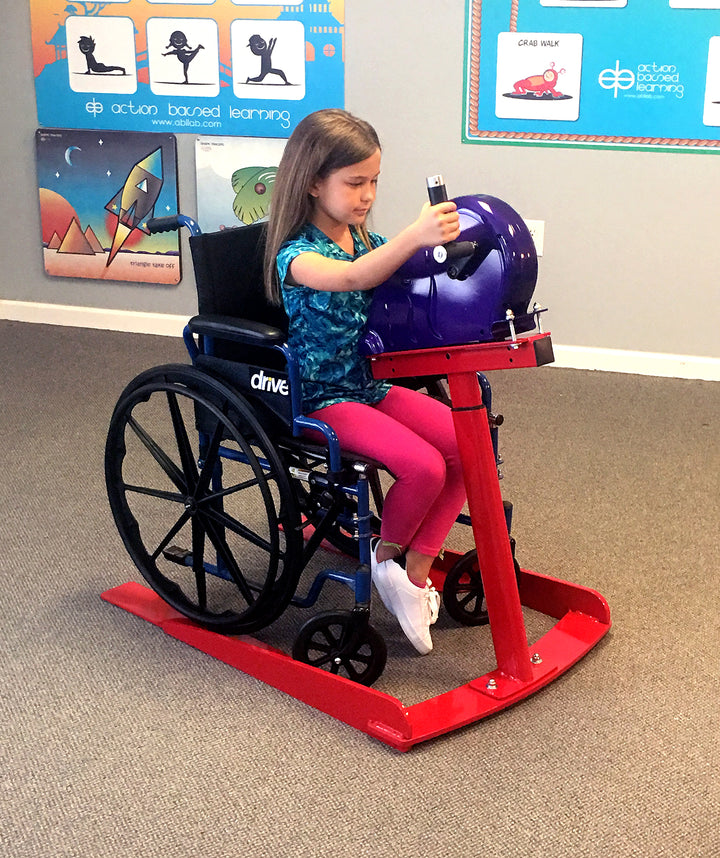
Youth fitness equipment helps schools prioritise movement as part of the learning process. As educators explore ways to support student engagement and readiness, attention has shifted toward how physical environments influence behavior, focus, and participation. Rather than treating movement as a break from learning, many schools now view it as a supportive element within structured educational spaces.
Measuring the impact of youth fitness equipment helps schools understand how movement-based environments contribute to daily learning routines without making unrealistic claims about academic outcomes.
Understanding Youth Fitness Equipment in Schools
Youth fitness equipment is designed specifically for children and educational environments. It supports age-appropriate movement, balance, coordination, and body awareness within a controlled and supervised setting.
In schools, this equipment is not intended to function as traditional gym equipment. Instead, it is often placed in dedicated activity areas, hallways, or learning zones that support movement throughout the day. When integrated thoughtfully, youth fitness equipment becomes part of a broader learning environment rather than a standalone feature.
Why Measuring Impact Matters in Learning Environments
Schools invest in learning spaces with the intention of supporting student development. Measuring impact allows educators to determine whether those spaces are functioning as intended.
Impact measurement matters because it:
- Encourages intentional use of physical space
- Helps schools align movement with learning goals
- Supports informed decision-making
- Promotes continuous improvement in school design
Rather than relying on assumptions, schools benefit from observing how students interact with movement-based environments over time.
Student Performance in Movement-Based Settings
Student performance is influenced by many factors, including comfort, focus, and readiness to engage. In movement-based learning environments, performance is often evaluated through observable behaviors rather than test results alone.
Youth fitness equipment may support:
- Improved transitions between activities
- Increased willingness to participate
- Greater physical engagement during the school day
These indicators help schools understand how movement contributes to the conditions that support learning.
Learning Readiness and Purposeful Movement
Learning readiness refers to a student’s ability to engage with instruction at a given moment. Purposeful movement supports readiness by allowing students to reset physically before returning to classroom tasks.
When students have access to structured movement:
- Physical restlessness may decrease
- Attention may improve after activity
- Transitions can become more efficient
Youth fitness equipment supports these opportunities within defined spaces that complement classroom learning.
Youth Fitness Equipment and Classroom Behavior
Teachers often observe behavior as a key indicator of how learning environments are functioning. Movement-based spaces provide an outlet for physical energy that may otherwise disrupt classroom instruction.
Common behavioral observations include:
- Improved ability to remain seated during lessons
- Reduced off-task movement
- Smoother classroom transitions
These observations help schools evaluate whether youth fitness equipment is supporting behavioral regulation as part of a broader learning environment.
Academic Engagement Within Action Based Learning Spaces
Academic engagement reflects how students interact with learning tasks. While youth fitness equipment does not replace instruction, it can support engagement by improving readiness and focus.
Within Action Based Learning spaces, movement is designed to complement academic instruction. Teachers may observe:
- Faster task initiation
- Increased participation during lessons
- More positive attitudes toward learning activities
Engagement is best evaluated over time, using consistent observation rather than immediate expectations.
Role of Designed Movement Environments
The impact of youth fitness equipment depends on how it is integrated into school design. Equipment is most effective when used within structured environments that support intentional movement.
Designed movement environments include:
- Clear expectations for equipment use
- Adult supervision
- Defined activity pathways
- Alignment with daily school routines
Without structure, equipment may become distracting. With structure, it supports learning readiness and engagement.
Action Based Learning and Youth Fitness Equipment
Action Based Learning focuses on creating educational environments where movement supports cognitive development and attention. Youth fitness equipment aligns with this approach when it is placed within intentionally designed spaces that encourage purposeful activity.
In Action Based Learning environments, movement is not random. Equipment supports balance, coordination, and physical engagement in ways that complement classroom instruction. These environments allow schools to observe how movement influences daily learning routines and student participation.
How Schools Can Measure Impact Responsibly
Measuring impact does not require complex systems. Many schools rely on practical methods that align with daily routines.
Responsible measurement may include:
- Teacher observations
- Feedback from students
- Documentation of transitions and engagement
- Review of behavior patterns over time
The goal is to understand trends rather than attribute outcomes to a single factor.
Practical Indicators for Evaluation
Schools may track indicators such as:
- Frequency of movement participation
- Classroom readiness after activity
- Teacher feedback on student focus
- Ease of daily transitions
These indicators provide insight into how youth fitness equipment supports learning environments without overstating results.
Observed Changes Over Time
|
Observation Area |
Before Movement Spaces |
After Movement Integration |
|
Student movement |
Limited and reactive |
Purposeful and structured |
|
Learning readiness |
Inconsistent |
More predictable |
|
Classroom transitions |
Time-consuming |
More efficient |
|
Physical engagement |
Minimal |
Regular opportunities |
|
Teacher observation |
Reactive |
Intentional |
This comparison reflects observable patterns rather than guaranteed outcomes.
Limits of Measurement and Realistic Expectations
It is important to acknowledge that youth fitness equipment alone does not determine student success. Its impact depends on:
- Consistent routines
- Adult guidance
- Alignment with instructional goals
Responsible evaluation avoids overstating benefits and recognises that learning environments work as systems rather than isolated components.
Long-Term Value of Movement-Based School Design
Over time, schools that prioritize movement-based design may observe:
- Improved daily routines
- Better use of shared spaces
- Increased awareness of student needs
Long-term value comes from thoughtful planning and alignment with educational philosophy rather than short-term results.
Conclusion
Measuring the impact of youth fitness equipment helps schools understand how movement-based environments support student readiness, engagement, and participation. When used within intentionally designed spaces, this equipment complements classroom instruction rather than replacing it.
Youth fitness equipment aligns closely with Action Based Learning principles by supporting purposeful movement in educational settings. These environments are designed to help students engage physically and cognitively throughout the school day.
If your school is exploring movement-based learning environments, contact us today to learn how Action Based Learning supports intentional educational space design.
Frequently Asked Questions
What is youth fitness equipment?
Youth fitness equipment is designed to support safe, age-appropriate movement in school environments.
Does youth fitness equipment improve academic results?
It supports learning readiness and engagement but does not guarantee academic improvement.
Where is youth fitness equipment typically used in schools?
It is commonly placed in activity areas, hallways, or designated movement spaces.
How do schools measure its impact?
Schools observe behavior, engagement, and readiness over time.
Is youth fitness equipment suitable for all age groups?
Yes, when selected appropriately and used with supervision.


